


June 25, 2026
By:
Julia Jensen Smolka
Dealing with Abandoned Property or Vacant Lots
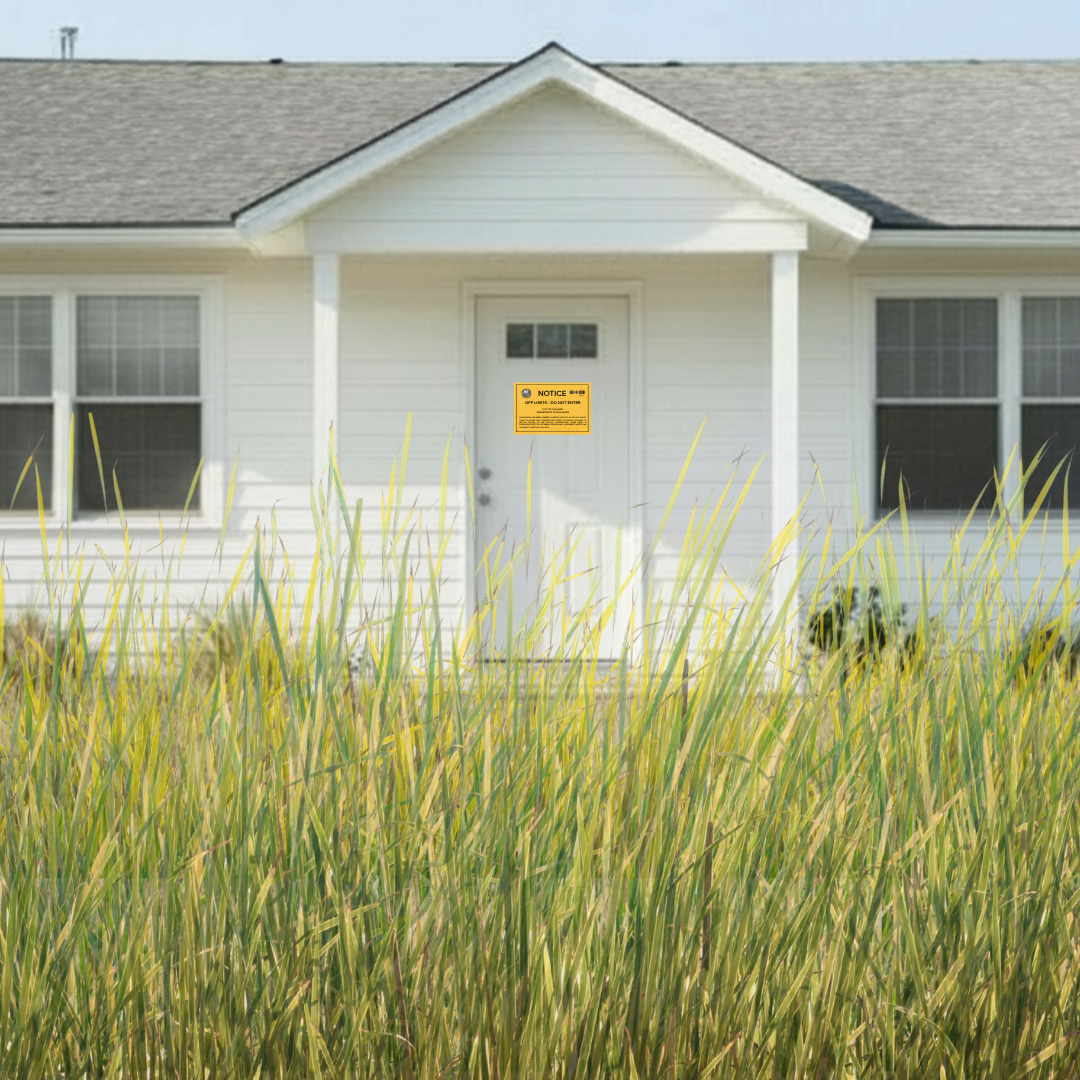
As an experienced bankruptcy and real estate litigation attorney, I receive at least one phone call each quarter from someone who purchased property during the 2000s in areas where there was a promise of gentrification. The properties did not increase in value, and many owners became stuck with neglected real estate. Municipalities would issue citations for weeds, failure to mow, and failure to secure vacant homes. Over time, those fines added up. Eventually, many owners stopped paying property taxes and abandoned mortgage payments altogether.
Normally, when real estate taxes go unpaid, the county sells the property, and a third party purchases it. Likewise, if mortgage payments stop, the lender forecloses and takes possession of the home. But in many of these situations, neither happened. Banks chose not to foreclose, and no buyers appeared at tax sales because there was simply no market for the properties. So, what is an owner to do?
You can try to sell the property for a nominal amount. However, potential buyers are unlikely to take title subject to liens and delinquent taxes, which would first need to be resolved. In addition, many buyers simply do not want properties that cannot be marketed or rehabilitated.
In Cook County, the Cook County Land Bank may be an option. However, to donate the property through the program, the property must be free of liens and municipal violations, and the delinquent taxes must be paid, which can be costly. Some owners attempt to surrender their property to a lender through foreclosure, but that often does not solve the problem either.
Bankruptcy Surrender Doesn’t Mean You’re Fully Off the Hook, Court Says
Many consumers believe that when they “surrender” a home or property in bankruptcy, their responsibility ends. A recent ruling by a U.S. Bankruptcy Court in Chicago shows that this assumption can be costly.
The Case in Plain English
In this case, homeowners filed Chapter 13 bankruptcy and “surrendered” a vacant property more than a decade ago. No lender or government agency ever foreclosed or took ownership. Years later, the homeowners filed another bankruptcy, arguing they shouldn’t be responsible for new city violations, fees, and maintenance issues tied to that property.
The court disagreed.
What the Judge Decided
The court ruled that surrendering property in bankruptcy does not automatically transfer ownership. Instead, surrendering only lets a creditor choose to take the property. If no one accepts it, the homeowner stays on the title—and remains responsible.
The judge also made clear that:
- A prior bankruptcy discharge only wipes out old personal debts
- It does not erase future responsibilities tied to property ownership
- As long as your name remains on the deed, you may still owe:
- City code violation fines
- Property maintenance costs
- Taxes, utilities, or safety‑related charges
Because the homeowners still legally owned the property, the City of Chicago could continue pursuing claims related to conditions on the property.
Why This Matters to Consumers
This ruling is especially important for homeowners dealing with:
- Abandoned or underwater properties
- Delayed or stalled foreclosures
- Vacant property with unresolved ownership obligations
If you surrendered a home in bankruptcy but the lender never foreclosed, you may still be considered the owner—even years later.
Key Takeaways for Homeowners:
- “Surrender” is not the same as transfer. Ownership doesn’t change unless a lender or buyer actually accepts it.
- Bankruptcy discharge has limits. It removes personal liability for old debts but not new obligations that arise afterward.
- Municipal fines can continue. Cities can hold owners responsible for unsafe or neglected properties.
- Title matters. If your name is still on the deed, liability can follow—even if you stopped making payments long ago.
Bottom Line
Bankruptcy can offer powerful relief, but it doesn’t always deliver a clean break from property ownership. Consumers facing long‑abandoned or surrendered properties should verify whether title has actually transferred and consider legal advice to avoid unexpected liability years down the road. In many cases, fully resolving ownership issues can take years and become costly. If you are dealing with a stalled foreclosure, abandoned property, municipal fines, or unresolved title issues, contact Attorney Julia Jensen Smolka to discuss potential options and next steps.
 |
Author
Partner
|